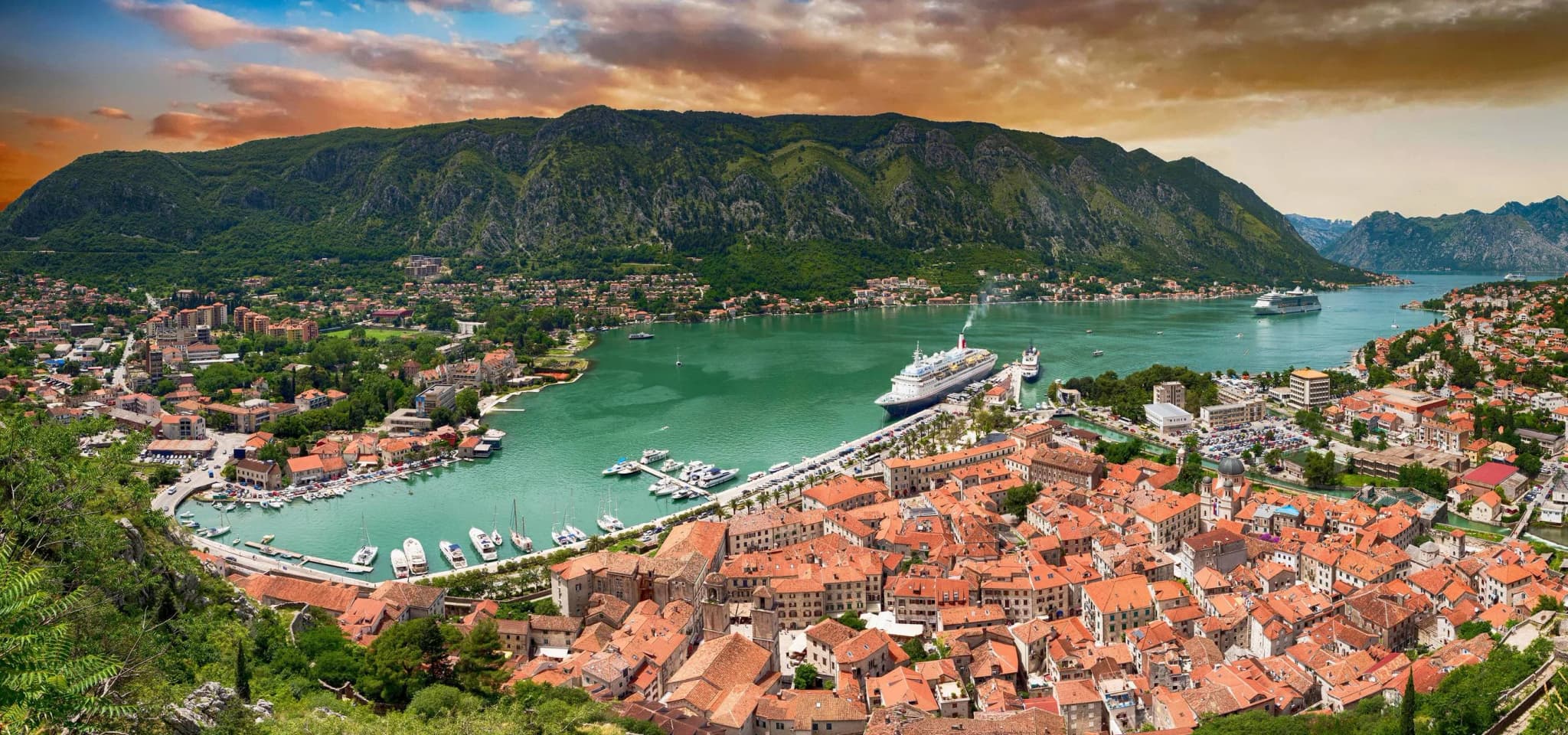
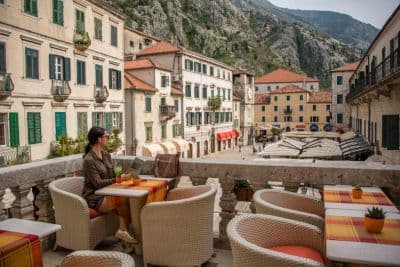
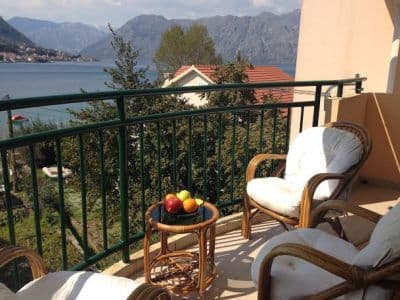
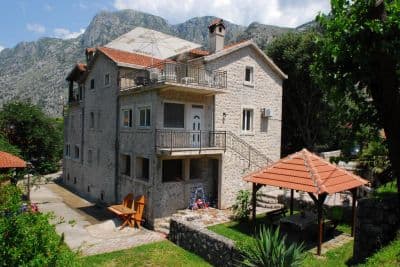
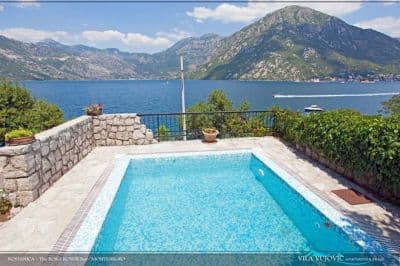
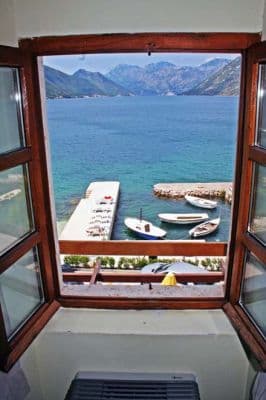
Kotor is a breathtaking medieval town nestled at the innermost point of the Bay of Kotor, a dramatic fjord-like inlet that cuts deep into Montenegro's mountainous coastline. Recognized as a UNESCO World Heritage Site, Kotor's remarkably preserved Old Town is a labyrinth of narrow marble streets, Romanesque churches, and intimate piazzas enclosed by massive stone fortifications that date back to the Venetian era. At its heart stands the Cathedral of Saint Tryphon, built in 1166 and one of the finest examples of Romanesque architecture on the entire Adriatic coast.
Kotor is a UNESCO World Heritage town famed for its perfectly preserved medieval Old Town, the fjord-like Bay of Kotor (Boka), and fortress walls that climb the mountainside to the Castle of San Giovanni. It's one of the Adriatic's most scenic and atmospheric destinations.
In which country is Kotor?
Kotor is in Montenegro, on the Adriatic coast at the head of the Bay of Kotor (Boka Kotorska). It sits close to the Croatian border — about a two-hour drive south of Dubrovnik — but is firmly part of Montenegro, not Croatia.
Is Kotor worth visiting?
Yes. Kotor combines a compact, car-free medieval Old Town with one of Europe's most beautiful bays and easy day trips to Perast and Our Lady of the Rocks. It's quieter and far more affordable than Dubrovnik, making it one of the best stops on the Montenegrin coast.
Is Kotor or Dubrovnik better?
They suit different moods. Kotor's Old Town is smaller, quieter, more medieval and much cheaper, with fewer crowds; Dubrovnik is grander but busier and pricier. Since they're only about two hours apart, many travelers happily visit both.
How expensive is Kotor?
Kotor is one of the most affordable destinations on the Adriatic. Budget travelers can manage on around €30–50 a day, while a comfortable mid-range trip runs roughly €70–120 a day including a guesthouse, meals and activities — well below Croatian or Italian coastal prices.
What is the best time to visit Kotor?
May, June and September are ideal — warm, swimmable and less crowded. July and August are the hottest and busiest months (and cruise-heavy), while April and October are cooler and quieter but still pleasant for sightseeing.
What are the best things to do in Kotor?
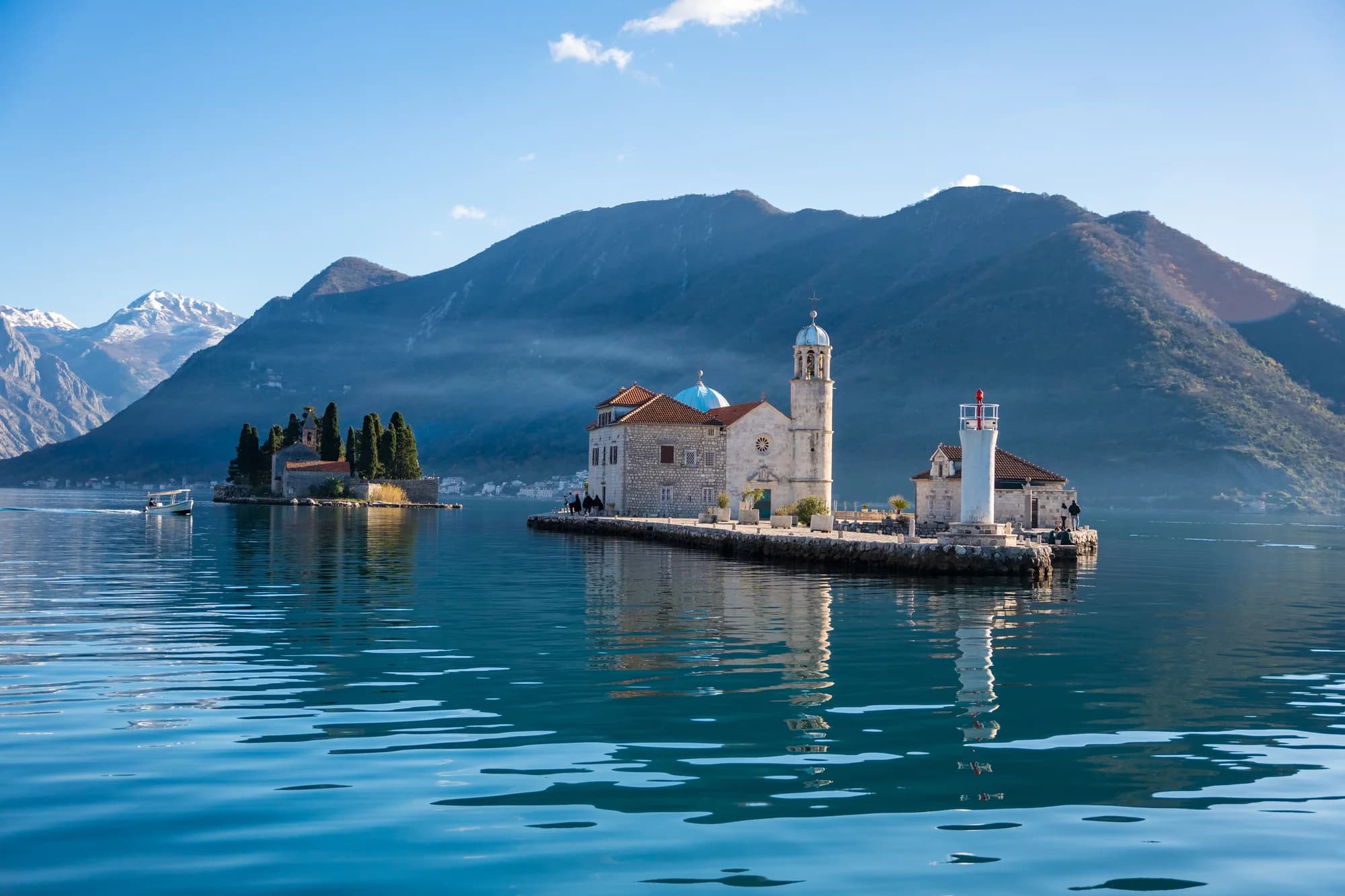
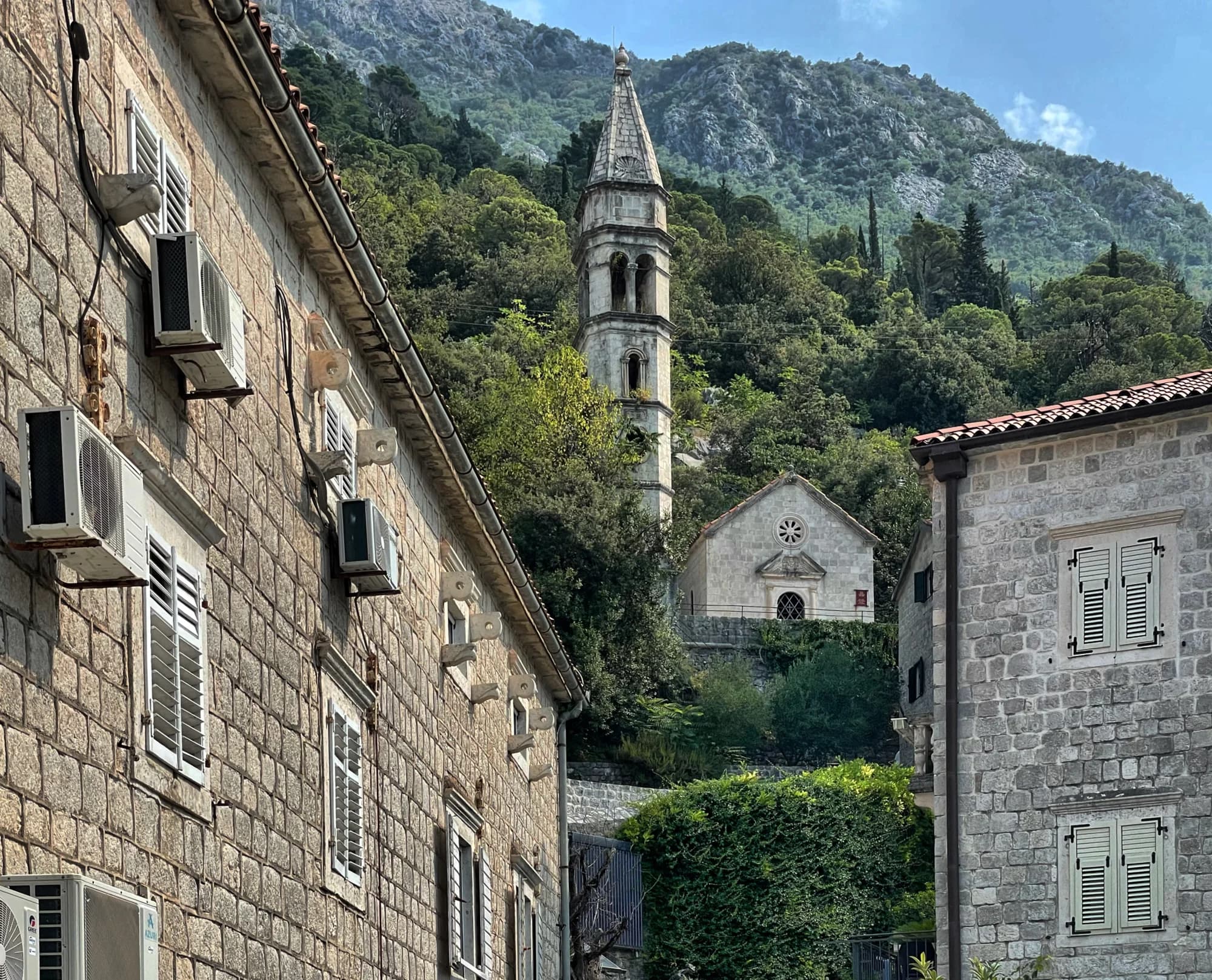
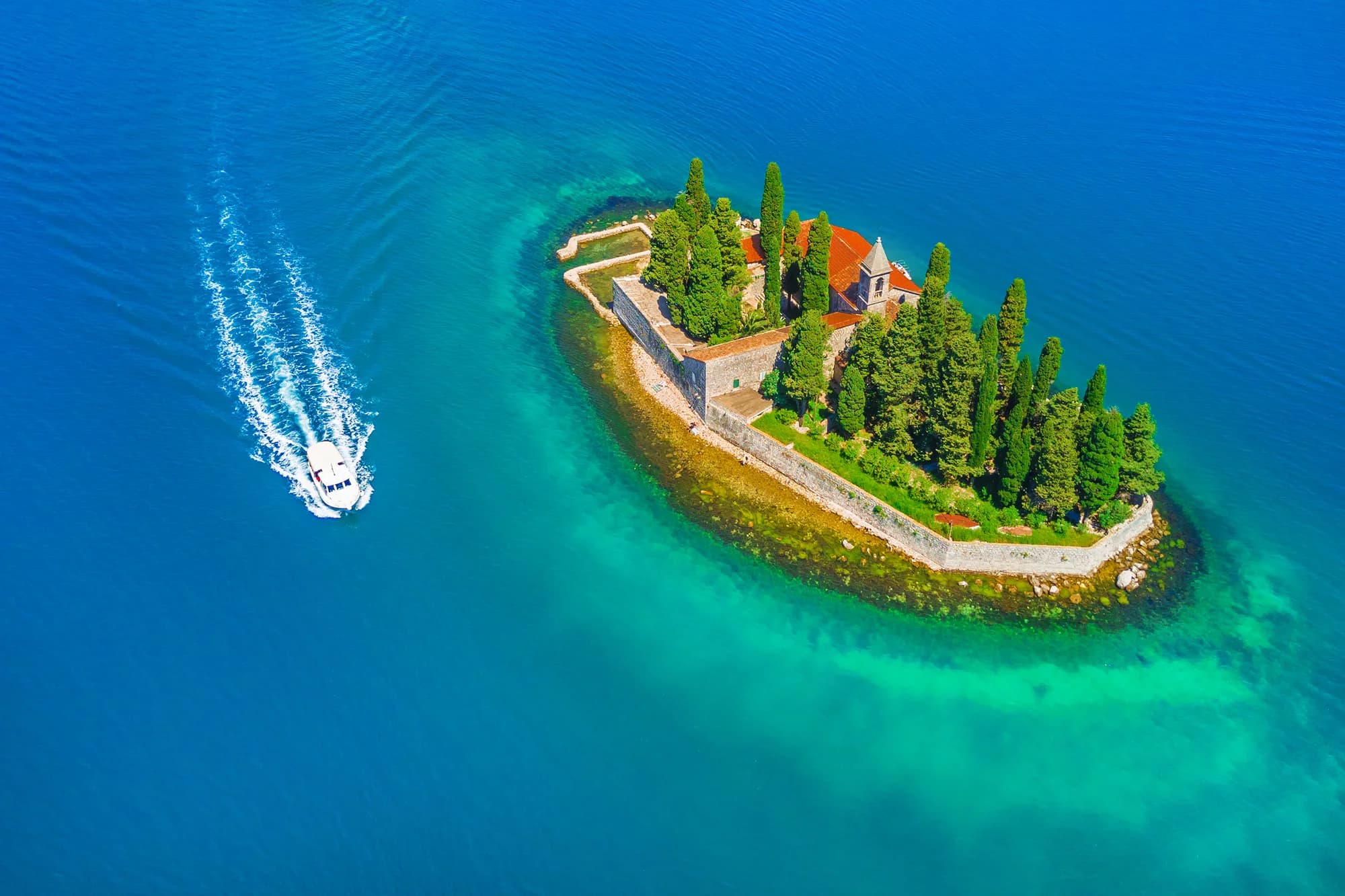
Wander the walled Old Town and St. Tryphon's Cathedral, climb the city walls to the Castle of San Giovanni for sweeping bay views, take a boat to Perast and the island church of Our Lady of the Rocks, and cruise or kayak the Bay of Kotor.
How do you get to Kotor?
The nearest airport is Tivat, about 8 km away; Podgorica (~90 km) and Dubrovnik (~2 hours) are also common arrival points. Regular buses link Kotor with Budva, Herceg Novi and the wider region, and many visitors arrive by cruise ship or by car along the bay.
Also explore in Montenegrin Coast
Airport Transfers
Fixed-price rides from Tivat & Podgorica airports.